From the Throne to the Stage: Nick B’s Unfiltered Creative Process
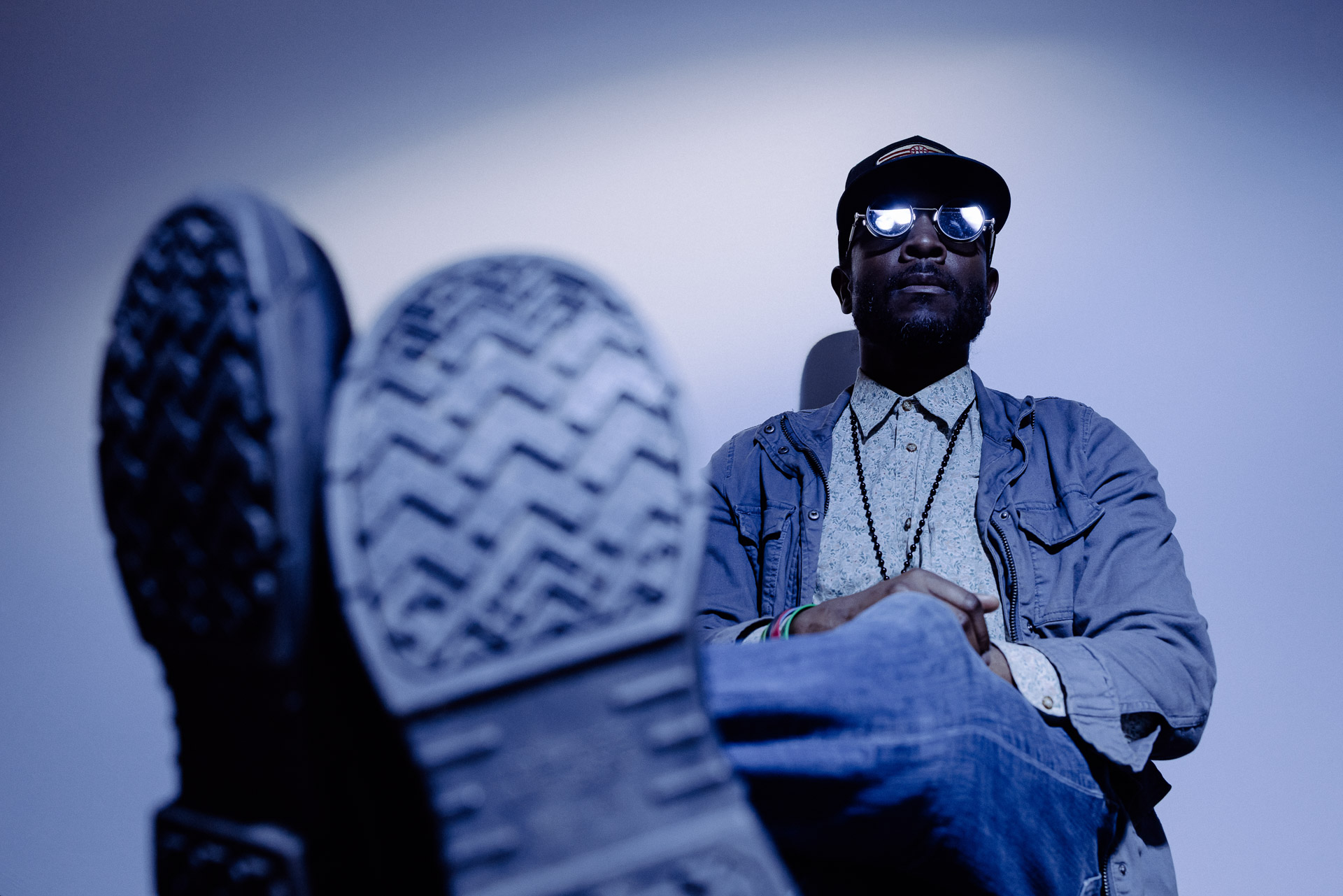
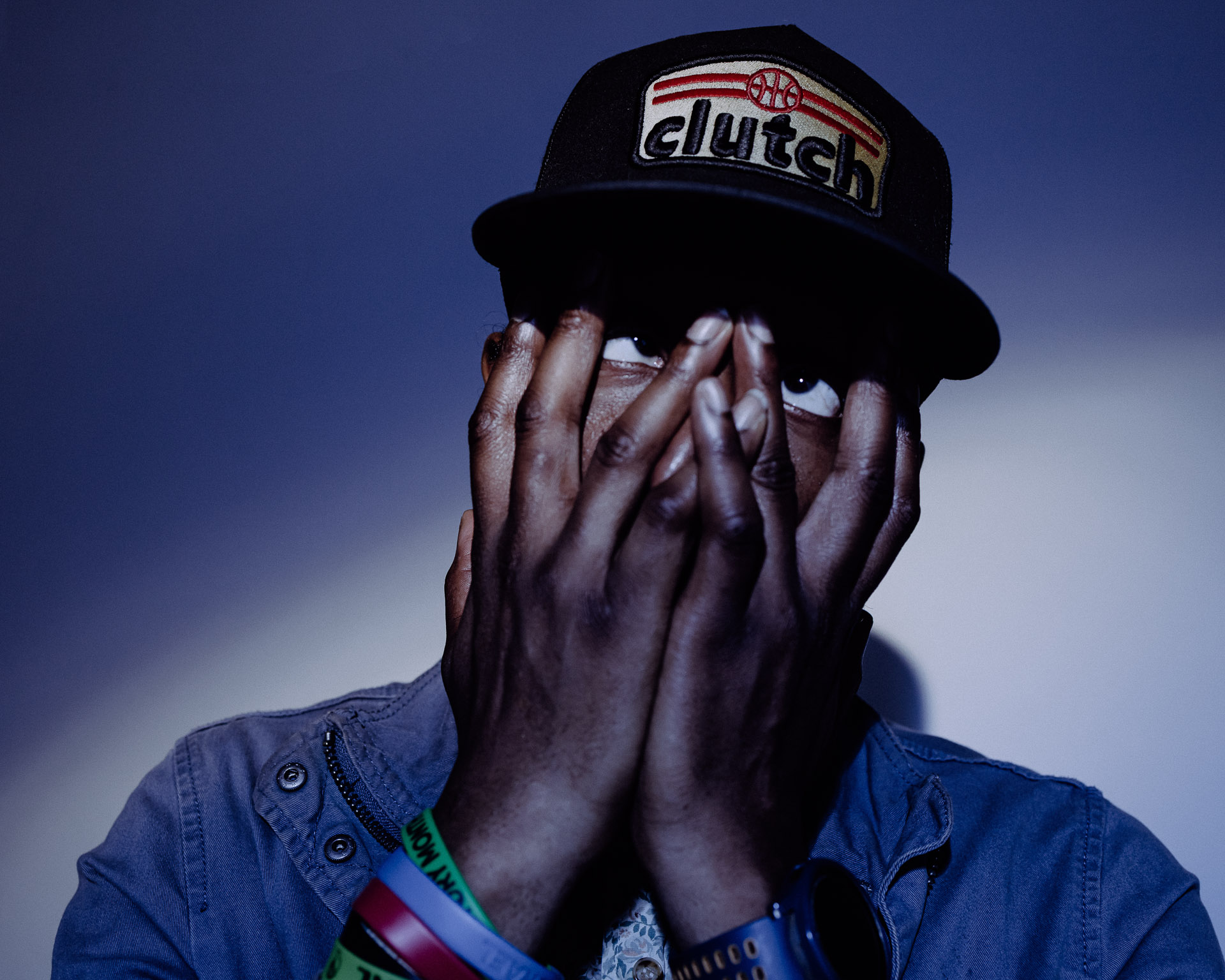
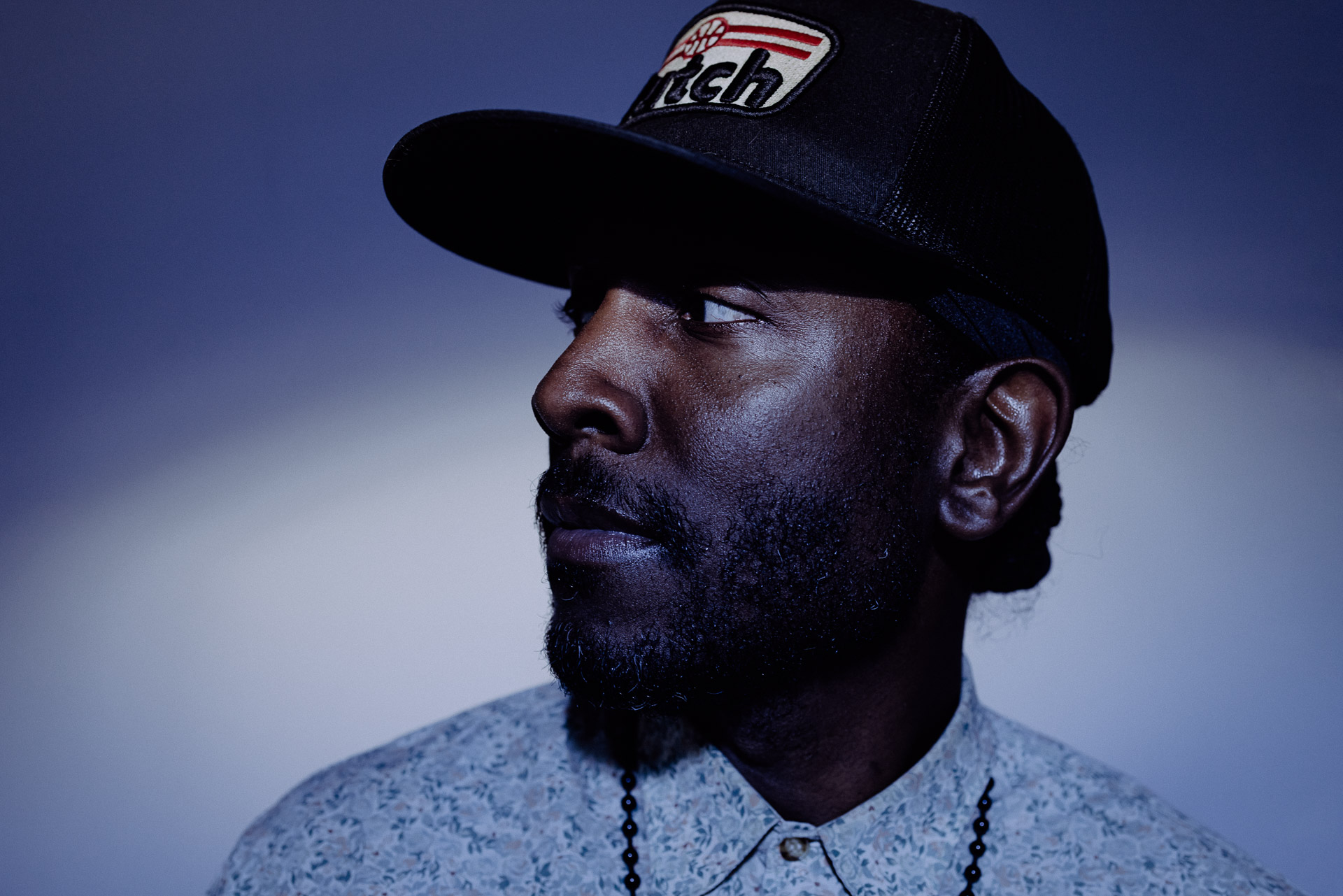
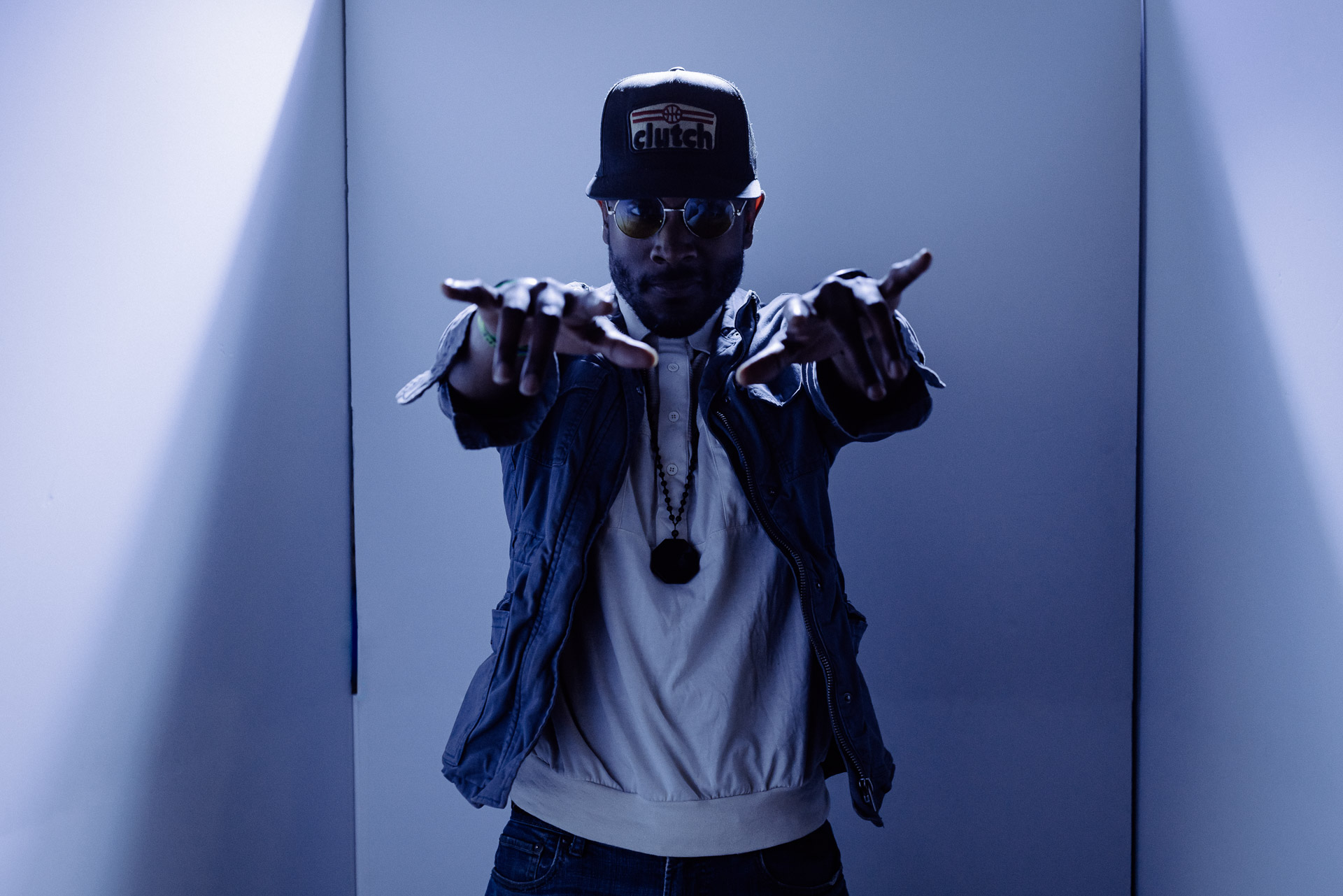
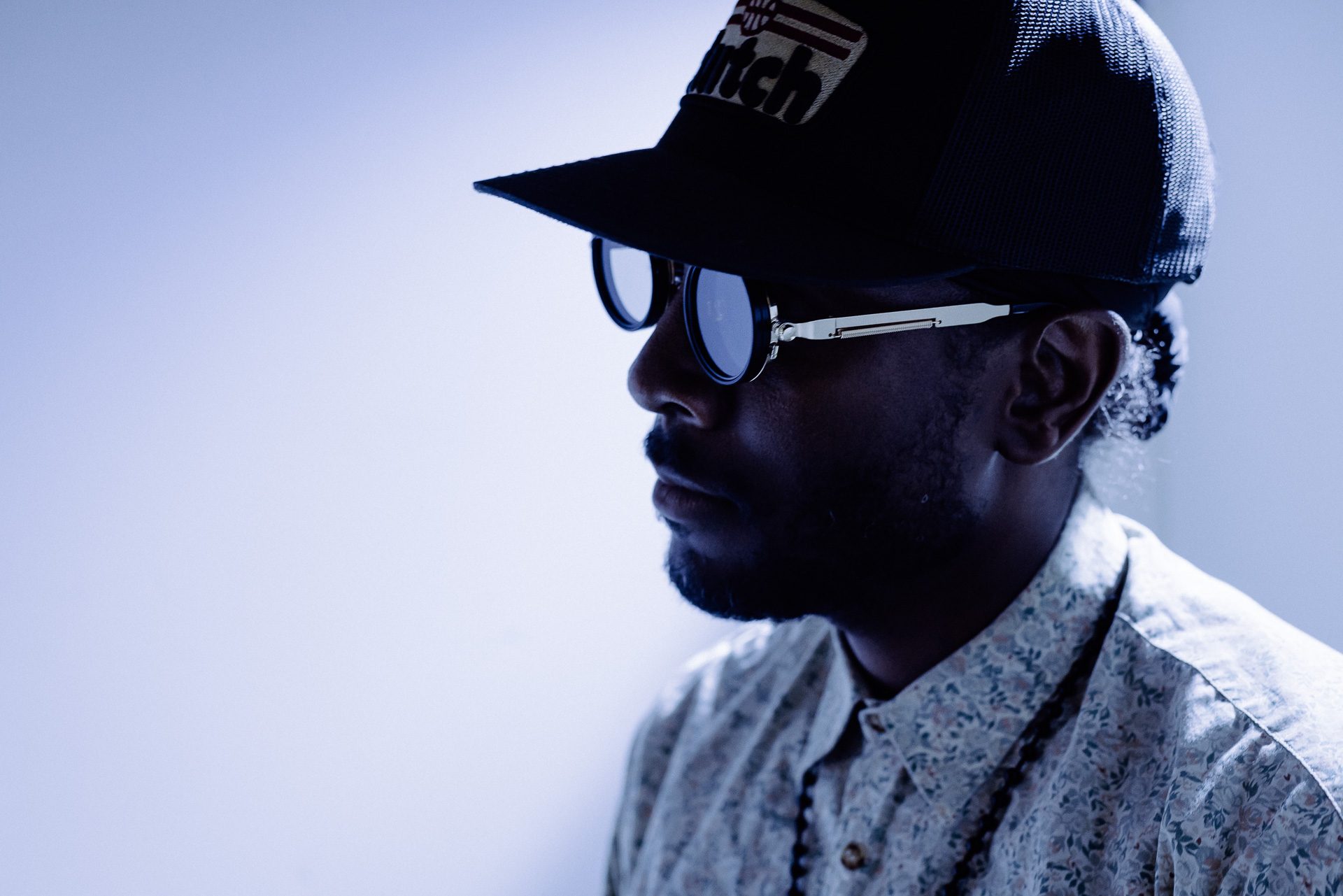
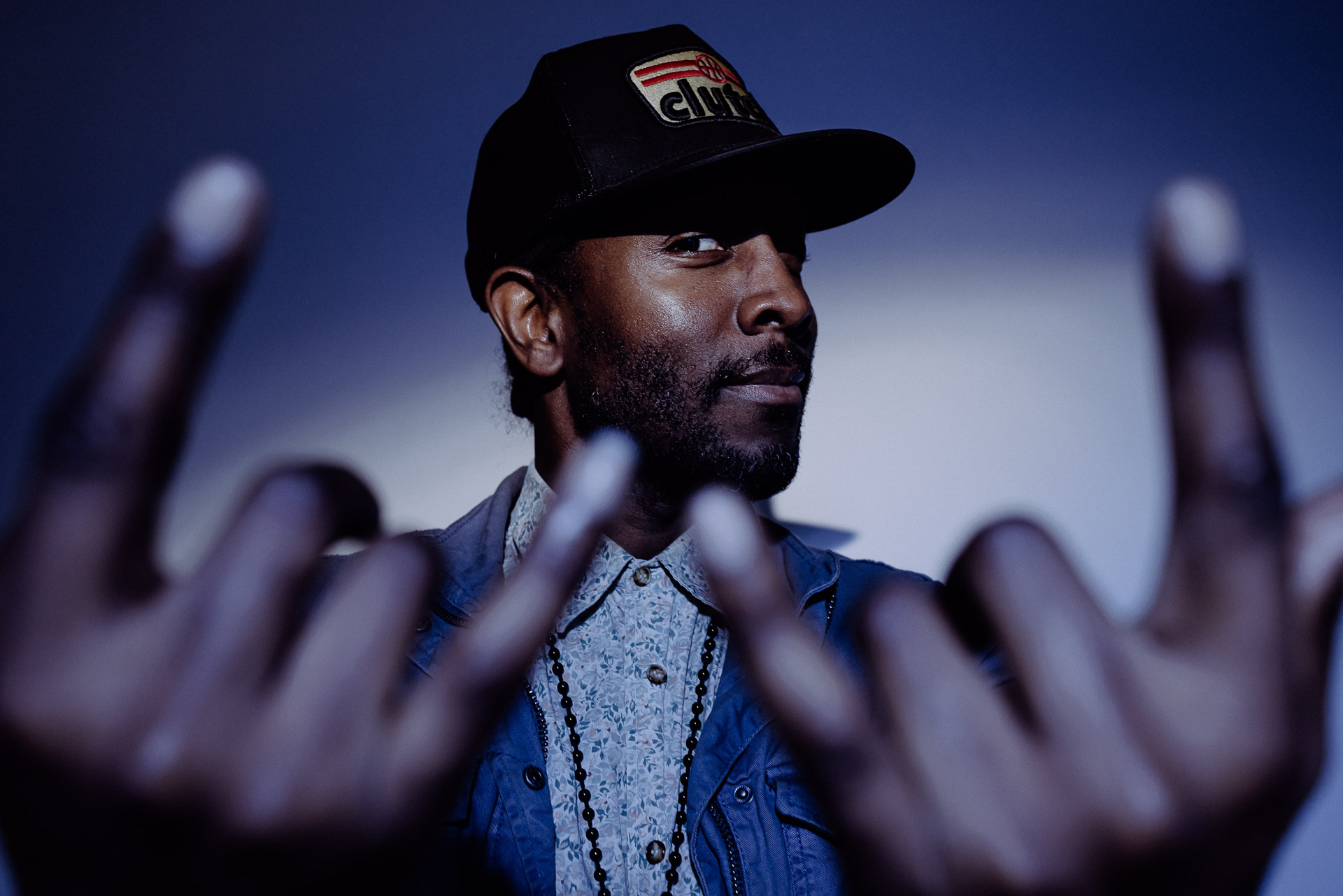
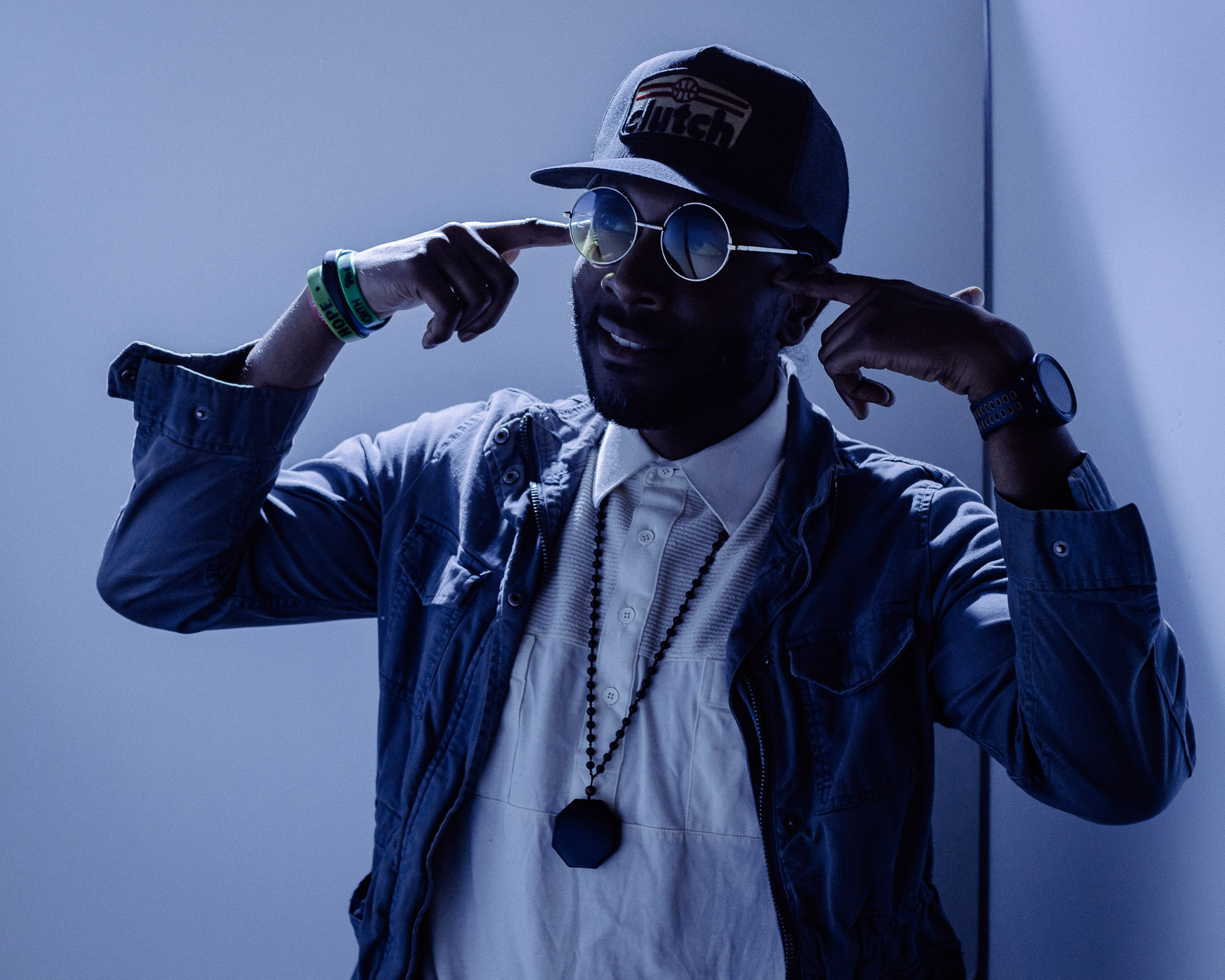
Equal parts cinematic storyteller and unfiltered hometown talent, Houston MC Nick B opens up about balancing raw vulnerability, stage-shaking energy, and unshakeable authenticity.
I recently had a wonderful conversation with artist Nick B about telling stories across different mediums, finding balance, and achieving flow state. Our conversation below has been edited for brevity and clarity. I hope you enjoy it as much as I did.
The Interview
Diego: We are here with Houston homegrown talent, the mercurial MC, Nick B. Nick, thank you so much for joining us. I want to start off with how you got into music. Can you tell us a little bit about your early inspirations?
Nick B: I used to DJ. Like with vinyls and everything like that. We had cyphers, and I used to be scratching and doing all the fading and cuts. My cousin Marvelous, he was doing his [rap] thing. He had people around him, they had a whole clique, and I was like, "Man, this is like this is cool." I liked what he was doing. I liked how he presented himself. So I said, "You know what? Let me start writing, doing stuff too." At first it was like poetry. It was trash, I ain't going to lie. It was bad. It was “only I can understand it” type of poetry and writing.
So, to keep a long story short, it was because of just hip-hop itself, first and foremost. Also seeing someone close to me using hip-hop to deliver a message to people.
Diego: You started off with a very personal, internal sort of source for your poetry. Is that something that you keep going back to, or has your writing style developed into something else?
Nick B: Growing up, I did have a lot of friends and stuff like that, but I always felt like it was kind of a night and day with my friends. I was just like, "Man, they kind of don't really understand me too much," you know what I mean? "But I'm here." I wanted more of an outlet to be able to write and get a message out about the things that I really wanted to say, but I couldn't really say.
Like I said before, I was the only person that kind of really understood it. So eventually I decided to write more digestible lyrics for people to hear them and go, 'Dang, I know what you're talking about,’” but at the same time, not lose the wordplay and lyricism. At the same time, it’s still a bop.
'Cause one thing I hate and two things for sure I dislike is like—that's some country stuff right there—is getting preached to. Now, it's cool to hear here and there when you're in that mode, but to hear it almost every other song, it's like, "All right." And then the beat's not even that good. So I don't even want to listen to it.
So, the balance is basically: stay true to myself; make sure people understand what I am saying or trying to convey; and… if I had to perform this live, would it be a [flat] type of event, or would it be like, "Yeah!” type of thing?
In retrospect, it’s me trying to like uplift and drop knowledge without being preachy. I listen to beats, and I'm like a listener. "Man, if I listen to this, will this get me more interested in listening to the song, or will I be like, 'Nah, this is kind of trash'?" So all of that I use to develop my style and add on to the culture of hip-hop.
Diego: That's interesting. You talk a lot about trying to balance out different contrasts. Like the inward versus the outward, the preaching versus the bop, making sure that people are connecting to what you're saying, but making sure that you're staying true to yourself. So, how difficult is it to find that balance, or how do you approach finding that balance?
Nick B: I used to write without the beat, and I would have to cut off so many words because I was really wordy. It was too many words on this part, this bar. The tempo was off and all of that.
So, the balance is basically: stay true to myself; also, make sure people understand what I am saying or trying to convey; and also, at the same time, if I had to perform this live—that's the extra added one—if I had to perform this live, would it be a [flat] type of event, or would it be like, "Yeah!" type of thing?
So, those three aspects helped me to be able to get it in one solid state, instead of just being like, "Man, got to balance this, I got to balance that." It's just: boom, boom, boom. So I try to structure it. It shouldn't be too structured, because you still want to be free with the writing. But at the same time, structured as far as where I won't get like writer's block. So those three things: the live aspect, the understanding aspect, and then the relatability. I put that all together.
Diego: Let's talk about the live aspect. Because there's a very different energy that you have to draw from in order to write, and then in order to be able to perform in front of a crowd of people. So how does your work translate from the booth or even from your writing table to that live performance?
[My music] is like a movie. I'm trying to give some suspense, I'm trying to give the beginning of the story, I’m trying to give the climax, and then I'm trying to give y'all a "to be continued." Not an ending, a "to be continued," because I want people to be able to come back.
Nick B: It is basically... I love movies. I'm not a movie buff, but I do love movies. I love action thrillers, horror, comedies, straight-up action. I love The Expendables. I love all those cheesy type of stuff. I love old school Kung Fu movies, like "Chop, chop, chop!", you know what I mean? "Ah, you defended my honor!"
So, I use that to help me develop mentally to paint a picture. Like you said, performative. Like with Kung Fu, when they fight, it's a dance, it's an art. So, that's just what choreography is, honestly. It's a dance, but with martial arts. So, I use that when I perform to be able to paint a picture.
And I also developed a way to be like, okay, this is like a movie. I'm trying to give some suspense, I'm trying to give the beginning of the story, I’m trying to give the climax, and then I'm trying to give y'all a "to be continued." Not an ending, a "to be continued," because I want people to be able to come back. So that's kind of how I develop my live style.
Also, something I learned from Scarface. He's a Houston legend, hip-hop legend. It was a long time ago. I had like MySpace or something like that. Damn! So, it was like MySpace or something, and I asked him, basically, "What's one main thing that you could tell me about performing live that'll get me ahead of others?" And it was a simple answer. He says, "Don't only perform for your homeboys." And I took it from there. So now, I utilize the whole stage. Left, right, I'll look at this person, I'll look at that person, and make sure everyone is in it.
So, long story longer, basically that's how I understood how to translate it from recording to live. A lot of my songs I can actually perform live, because I know how to translate them from a stage performance to movie reels, and movie reels to actually recording on a movie camera. Because it is a different beast.
Diego: Yeah, I noticed while listening to your live EP that you really come alive with that audience. And it's interesting that you see it as a way for moving from the lyrical to the more visual or cinematic. Speaking of, you also have a number of music videos. Do you also feel like you have to translate the lyrical into that cinematic view with the music videos? How is it any different from being on stage whenever you're recording those music videos?
Nick B: It definitely is, 'cause when I do the music videos, I already have it. The song is a script itself. Because I already paint the picture of what is exactly going on, so all I have to do in order to help like the director is just go, "Hey, look. Just listen to the song."
When I write and I put it to music videos, the script is already laid out. The scenery, everything. It’s all laid out. So whenever anyone has come in to direct my music videos or write a storyboard, it's easy work, 'cause I already did the hard work for everyone.
There's one song I have, it's called "Purge." It’s about purging the bad, the useless, the stuff that you don't need out of our bodies, and then having a rebirth in something new. So with the music video, it was... I'm not trying to give away the ending, because y'all need to watch it. But basically, taking something that you don't need and, so to speak, killing it off, purging.
There's another music video I have, it's called "CISUM / What's Real". CISUM is C-I-S-U-M, it's basically "music" backwards. And it's its own entity. So I have like a nightmare about it, and then I wake up to what's real, which is the second part of the song.
To keep it simple, when I write and I put it to music videos, the script is already laid out. The scenery, everything. It’s all laid out. So whenever anyone has come in to direct my music videos or write a storyboard, it's easy work, 'cause I already did the hard work for everyone. Only thing now is just going out there and then just setting it up, basically.
Diego: Following that through line with movies and trying to translate your music to the cinematic, do you try to tie in your music videos together in any meaningful way? The same way you might put together a concept album?
Nick B: Oh! Good question. So, yes, I actually do. I have a whole playlist, from top to bottom. It's called "The Downward Spiral." Basically, it's just about a man that's starting off cool with his homeboys, trying to holler at a little shawty, and then he gets into just falling, just falling, falling and falling.
And "Purge" is actually the last in "The Downward Spiral," because I'm finally getting rid of all of that nonsense. I got one music video where I play a drug dealer. You know when your life flashes before your eyes? So basically, the whole music video is that.
It's all connected. The album I'm working on is called Dark. So that leads into Dark. It's basically a downward spiral and upper travels. That's going to be like the next playlist. More upbeat songs, more straightforward, "Hey, this is not all sad, melancholy type songs," stuff like that.
So yes, I have tied the music videos together. You can look at them any type of way, whatever, but if you want to get the whole picture of the story, start from "The Reasons," and work your way down to "Purge.” One song I'm missing is "An Attempt," that's one of my singles I have. I have not done a music video for that. It's crazy, because I actually paid somebody for that years ago, and I don't know what the hell is wrong with me, I haven't hit him up to try to get it filmed yet! I'm dumb as hell, man, I'm dumb!
Diego: Hey, this will be inspiration to get that going. To finish the Nick B cinematic universe.
Nick B: There we go. With NBU.
Diego: NBU! There's something there. You mentioned before that you don't want to be too preachy. But it sounds to me like the overall arc of the stories that you're telling, of the music that you're putting out, is this idea of living through hard times and feeling the emotions as they come, but then picking yourself back up and transcending those bad times. How do you try to get that message across? Is that the message that you're trying to get across, and how do you play with that balance between not being too preachy and getting that out there?
Nick B: No, I appreciate that. No, you got it. The nail on the head. Honestly, because that's what I went through in my own life. I didn't really kind of have too many people to tell me, "Hey, Nick, man, I know you going through this, but hey look, we can get through it, man. You got it," you know what I mean? Stuff like that, you know?
...a lot of setbacks are lessons. Either you're going to transcend like you said, get a step above, or you're going to let that weight push you down. And I dare not let the weight push me down, because to get to this point where I'm at in my life, hell no! Like, no, for sure not.
I'm not crazy religious, but I pray and I meditate. I like to just be by myself and reflect. So it’s helped me prepare mentally for getting out where I'm at. So, yeah, definitely my music is that, because it's just like, man, it could be worse! Like, it honestly could be worse. You could be over there with your truck in a ditch, and then your front axle's also jacked up, and then you hit a puppy. But even if things do happen like that, it's just like, okay, what's the next step?
Because honestly, a lot of setbacks are lessons. Either you're going to transcend like you said, get a step above, or you're going to let that weight push you down. And I dare not let the weight push me down, because to get to this point where I'm at in my life, hell no! Like, no, for sure not.
Diego Frias: You say that you pray, you meditate, and you like to get into that sort of internal space. And you can draw energy from that. Is that where you find yourself getting the most inspired?
Nick B: So, the most inspired is two places. So I'm going to start at the mundane one, and then I'm going to go to the other one.
My first place would be... it didn't use to be that place, but it used to be like a Starbucks. Sitting at Starbucks, just chilling, and people just going about their day, chatting. And it's kind of like... I'm going to do like What We Do in the Shadows. I don't know if you've ever seen that show, but there's a dude in there, he's like a vampire, but he's a different type... he's an energy vampire. So he eats people's energy. So basically—this sounds creepy as hell—but as an energy vampire, I'm like around all the people, and then the energy of what's going on, it kind of amps me up, and I'm like, "Okay, all right, okay, yeah." It helps me.
But one of the main ones, very honestly, and my doctor says that I'm good for it, because I do do this... is on the toilet. Yeah, definitely on the throne. Dropping these kids off at the pool. That's definitely one of my main ones, because, you know, you're in there in a space, and also it pushes me to hurry the hell up, because I'm trying to get up out of there too. I'm not trying to be in the restroom too damn long. So it honestly gets me in a flow state.
So, I'm like, boom, boom. And then whatever I have by the end of the travels is what I have. If I got to fix it when I'm recording, I'll fix it. Those are the two main things I do now in order to get my brain flowing about words and putting them together, rhymes, and then just like storytelling.
Diego Frias: Dropping knowledge on the toilet.
Nick B: Dropping knowledge, yeah!
Diego Frias: Nick B recommended, doctor approved.
Nick B: Hey, yeah, doctor approved. Come on now! Doctor approved. Come on now!
Diego Frias: You keep making me think about balance. Just now, you talked about the balance of trying to find that personal space and then going out and drawing energy from other people. And I feel like a lot of great performers do that as well, right?
You have James Brown, for example, who I understand is one of your inspirations. He was very much about working the crowd, that call and response. But then there's moments in his performance where you just lose him. He allows himself to get really vulnerable and to go into that internal state, and you see the man break down on stage, right? Sometimes physically crumple to the floor because he's going through so much and he's allowed himself to feel that. So it's interesting that you also try to sort of find that balance and draw that energy from both the crowd and the people, and then also your more meditative states.
Nick B: Got to. Yeah, you got to! Like you said, got to have a balance.
At the end of the day, music is a lot of people's diaries. And also, too, our diaries. And it's just out there in the open. You know, some people get 100% vulnerable, some people get 50% vulnerable, but it’s still a vulnerable state.
At the end of the day, music is a lot of people's diaries. And also, too, our diaries. And it's just out there in the open. You know, some people get 100% vulnerable, some people get 50% vulnerable, but it still is a vulnerable state. When we write what we write, it’s a connection. Without music, a lot of people's lives would not—not try to be dark or anything like that—but a lot of people's lives wouldn't continue.
I remember hearing a lot of people talk about Kid Cudi, and they're like, "Man, I listen to Cudi's music." And then they're like, "Man, on this day..." Might get dark real quick, but, "On this day, I was about to end it. I listened to this song right here, and it made me realize like, 'Hey, I need to change my way, my output, of my energy, and change the way I live and how I do things, because it ain't right that I feel like this.’" Not just because people are going to miss me, it's because my work here is not done. It is probably never going to be done. I need to continue to do what I need to do and just live life. So, yeah, that's serious Nick right there.
Diego Frias: Music can be healing.
Nick B: No, for sure.
Diego Frias: We talked about how you balance yourself out. In collaborating with other artists, which you do a lot—you collaborate with a lot of different artists, producers, and people in your circle—do you also look for that balance between yourself and other artists in trying to bring out something that maybe you don't have in your music or in your art?
Nick B: Hell yeah, hell yeah. I work with a collective called the POC, the People of Creation. Anybody that's in the collective has different types of balance. But all exceptional, we're all exceptional.
Like one guy, he's like one of the newest people in the POC, plays guitar, his name is Ebra, goes by Cairo too. He’s amazing, like he's been playing for like 50 years. But he's like 23. Working with people like that helps us both to excel. Because one thing I don't like is when people play music or work together and they don't excel. They don’t build on each other.
Working with people that are on the same level as me or more, it helps me a lot. My stage performance has gotten better. It helps me experiment with different types of styles or getting types of music or intros. I don't know music theory like that. I know what sounds good, but they help me out with that. We help each other.
Diego Frias: You help each other and you challenge each other.
Nick B: Exactly, for sure. Mm-hm.
Diego Frias: You mentioned that you're in this collective, POC. That you guys are working together on a couple of different projects. So what's next for you?
Nick B: I would say the next thing I have… I'm trying to open up for some artists. If you're touring or something like that, you want a dope hip-hop artist with a doper band, you know what I mean, come holler at me. I have a manager, her name is Jocelyn. Let's do that, okay?
I've reached a point in my career where I'm just like, "Yo, I can open up! Hey, let me open up for somebody.
I've reached a point in my career where I'm just like, "Yo, I can open up! Hey, let me open up for somebody." The other main thing is my album. Like my actual first official album, not no EP, no mixtape, nothing like that: Dark. Like I said before, it's not exactly what it is as far as the name goes, but it's like you said before, it's basically coming out of the darkness into like the light at the end of the tunnel.
And then my actual second album I'm working on also, it's called Songs for HER, songs for having everything revealed. So it is basically about, you know, boy meets girl, girl meets boy. But in between all of that to the end, it's a rollercoaster. It's not like the same lovey-dovey song. There's going to be some hate songs, there's going to be some, "Oh, I guess it was me," songs, there's going to be some, "You know what? I'm out of here," songs where, "I'm going out with my boys.” A little bit of everything.
So yeah, I'm trying to give something different to hip-hop. A lot of people that pay attention to hip-hop music nowadays think it's just trap, and talking about bling, and talking about money, and hoes, cars, clothes. Hey, look, man, that's there, but there's this other side, also, too. We dope, too. We got some fire beats, too, that you can get crunk, get live, get lit, whatever the hell at the concerts.
So I'll say those are my next two big things: try to open up more for artists where eventually I can have my own shows where I'll be the headliner with my peoples; and then actually getting my albums out there, and then actually getting my message to not only to the city, but to give a taste of a Southern Houston, Texas boy to the world.
Diego Frias: The local part is crucial. I think the local music scene in Houston is underrated. People sometimes underestimate the complexity of it, the quality of it, and the community. Like you said, you're in this collective, and people are working and helping each other out and challenging each other. I mean, that's part of why we do this, right? Trying to get it out there, because Houston's got art.
Nick B: Yeah, we got a lot! Like a lot. We got you. We got the videographers, we got the interviewers, we got painters, we got the graffiti artists, we got the dancers.
Diego Frias: The musicians, come on!
Nick B: The musicians, yeah, we got actual legit coal miners! We got all of that here. One thing I'll say, I do not see a lot of artists, a lot of us artists, sharing the places that we do perform at. I don't see that a lot. 'Cause I do that all the time. Like if I'm at a place where it's a dope thing, I'll share it on my story, and be like, "Yo, this..." Tag the place and stuff, and they'll repost it, and they'll be like, "Yo, man, appreciate it, man."
So I'll say this for all my artist friends and people that go out: tag the places y'all perform at. Tag the places y'all perform at, and even if you're not performing, just tag the place, because when you tag, it helps. If you're at an In Bloom event or anything like that, tag, because if you tag, that gets more eyes, and getting more eyes, you get more exposure. And it helps everybody out.
Diego Frias: Gotta show some love.
Nick B: Gotta show the love, gotta show love, and you definitely will get it back.
Diego Frias: I love that. You are yourself an artist that came up from right here in Houston, and you're working your way up. You have your music videos and you're working on these albums. In a lot of ways, you can be an inspiration for those that are coming up and that are thinking of getting into art themselves. So are there any words or any thoughts that you would like to share for those people that might be thinking about it or are starting out?
Figure out who you are as an artist. 'Cause goddammit, if you come in here just trying to be something that you're not, people will know. They will tell… you can change your flow and type of music, but as far as you as an artist, that's gotta be you at your core.
Nick B: I'll always say this every time I get a question like you just asked right here, is: figure out who you are as an artist. 'Cause goddammit, if you come in here just trying to be something that you're not, people will know. They will tell.
Of course, if you get to a high point by being something that you know you're not, cool. But at the end of the day, that's not you. And eventually, it's going to catch up with you. So all that fast money you get, it will slow down. Be yourself. Find out who you are as an artist, 'cause I've started seeing nowadays a lot of artists that wasn't really kind of what they first stepped into the game with, flipped it to what they really are.
There's one artist, I think it was like Comethazine or something like that... that motherfucker playing the trumpet now! I kid you not! He was on that, "Yeah, motherfucking killing..." Next minute: [Imitates trumpet playing] Cold, too! Turns out he's a classically trained trumpet player, jazz trumpet player.
If you're starting this, figure out what type of artist you are first. If you figure that out, everything else is going to become easy. Even if you're still on that trap stuff, if that's truly what you want to do and that's truly you, people are going to tell, and then that's going to help your career out, because that's going to be you. So there's no, "Oh shoot, I got to change my style." No, you can change your flow and type of music, but as far as you as an artist, that's gotta be you at your core.
Diego Frias: Nick, thank you so much for talking to me. I look forward to seeing you live and I look forward to Dark and Songs for Her.
I recently had the pleasure of meeting the four members of April Company. We talked about how they learned to successfully make music with lifelong friends and how they brave the beautiful but brutally hot Houston music scene.
Equal parts cinematic storyteller and unfiltered hometown talent, Houston MC Nick B opens up about balancing raw vulnerability, stage-shaking energy, and unshakeable authenticity.