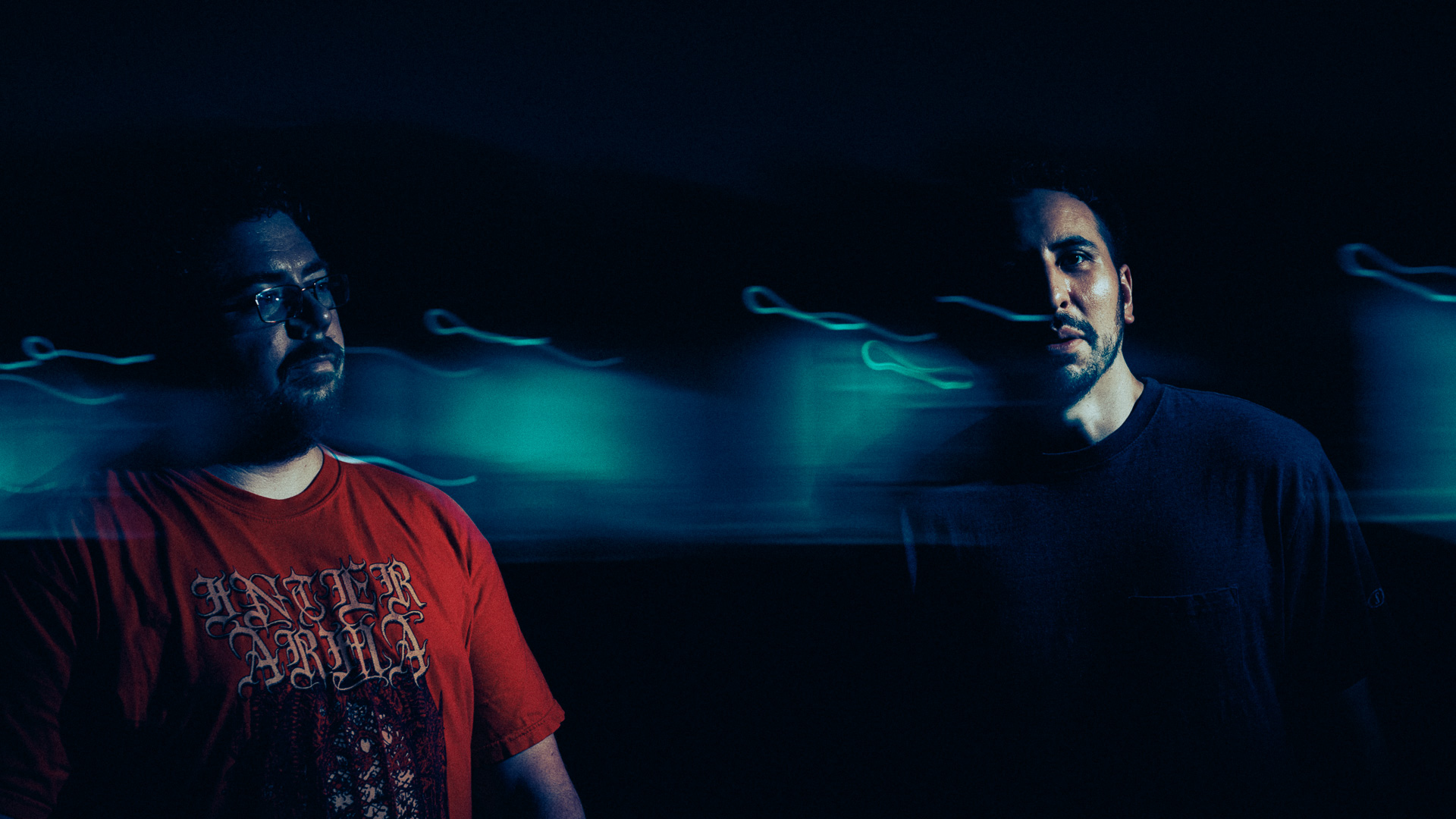
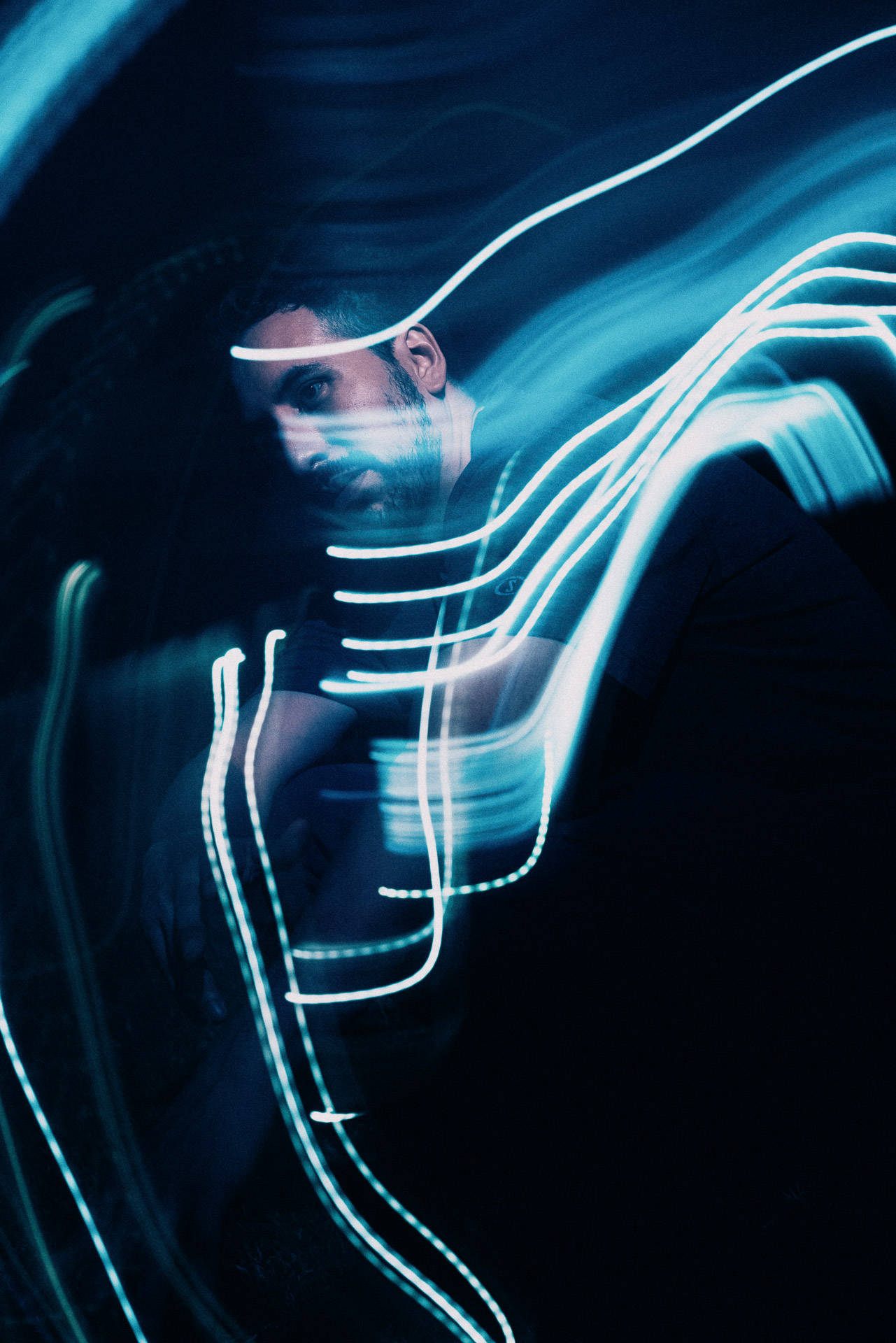
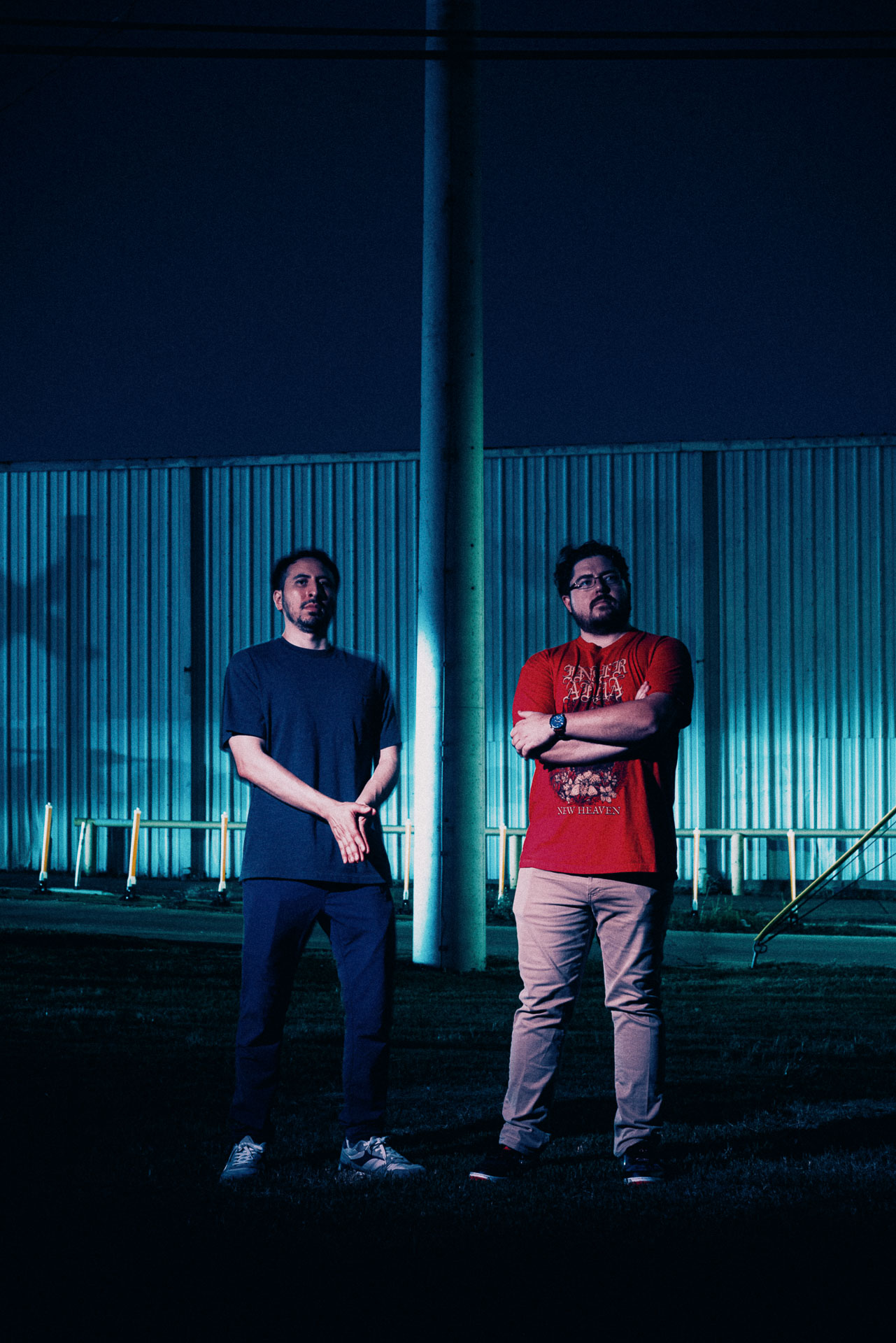
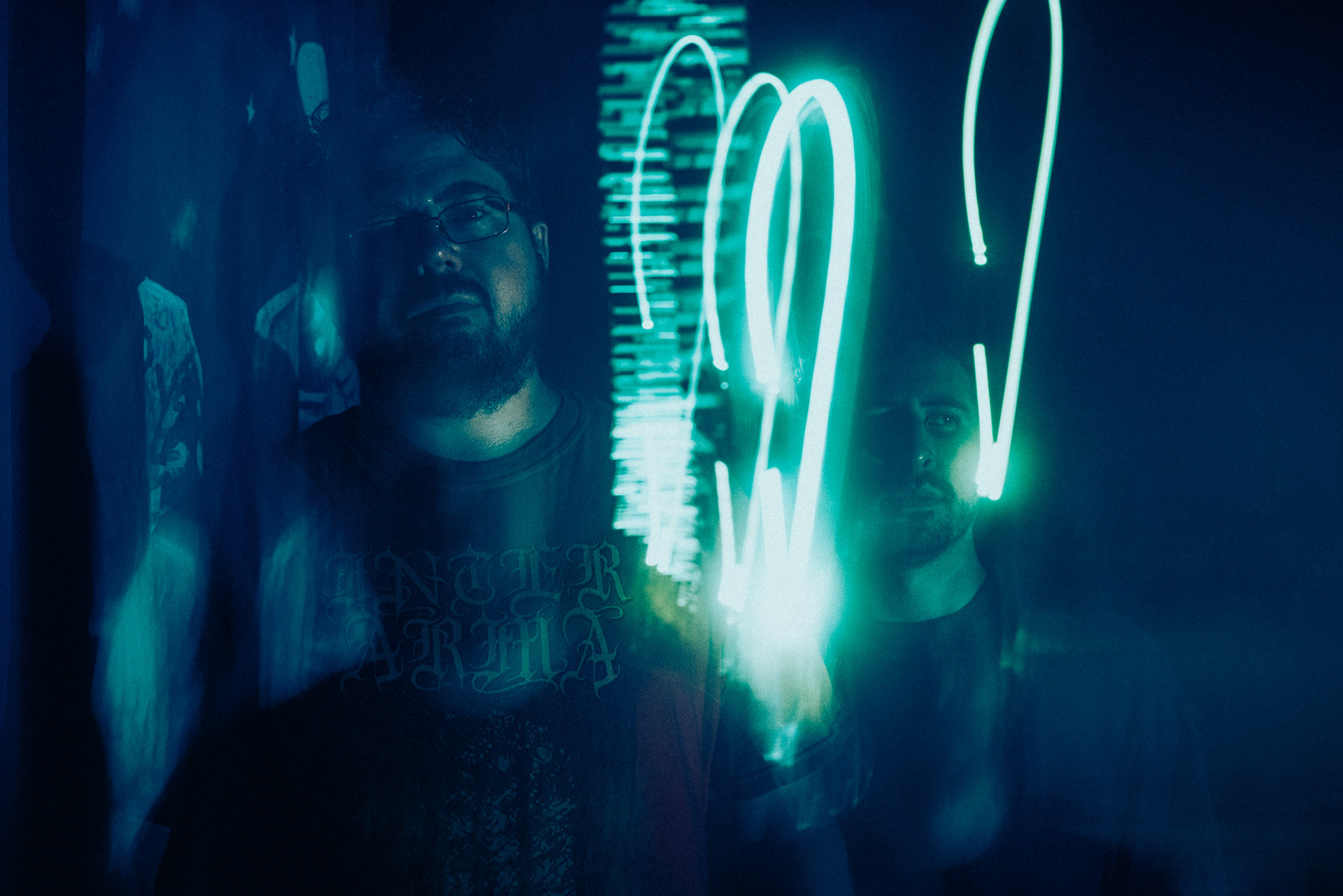
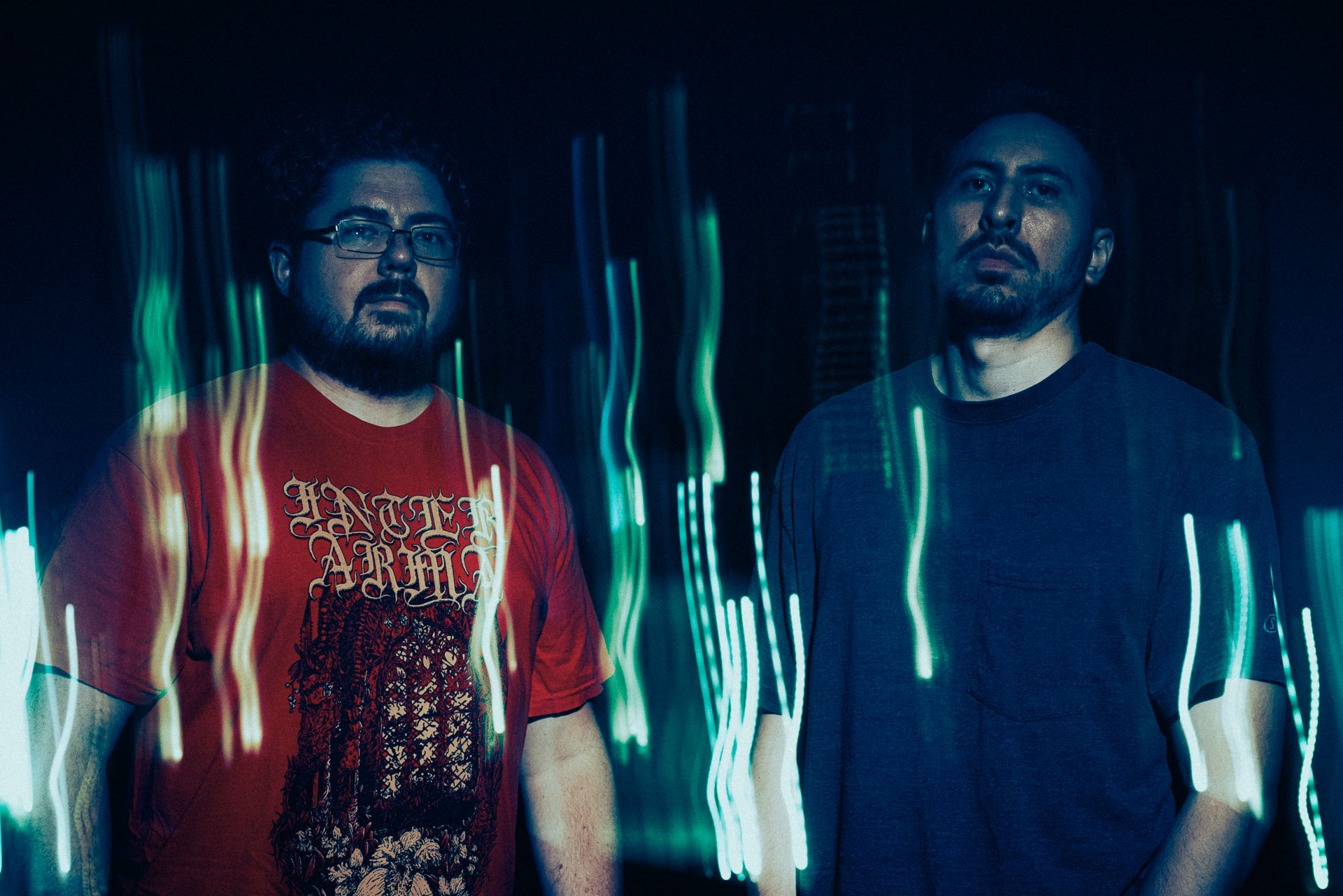
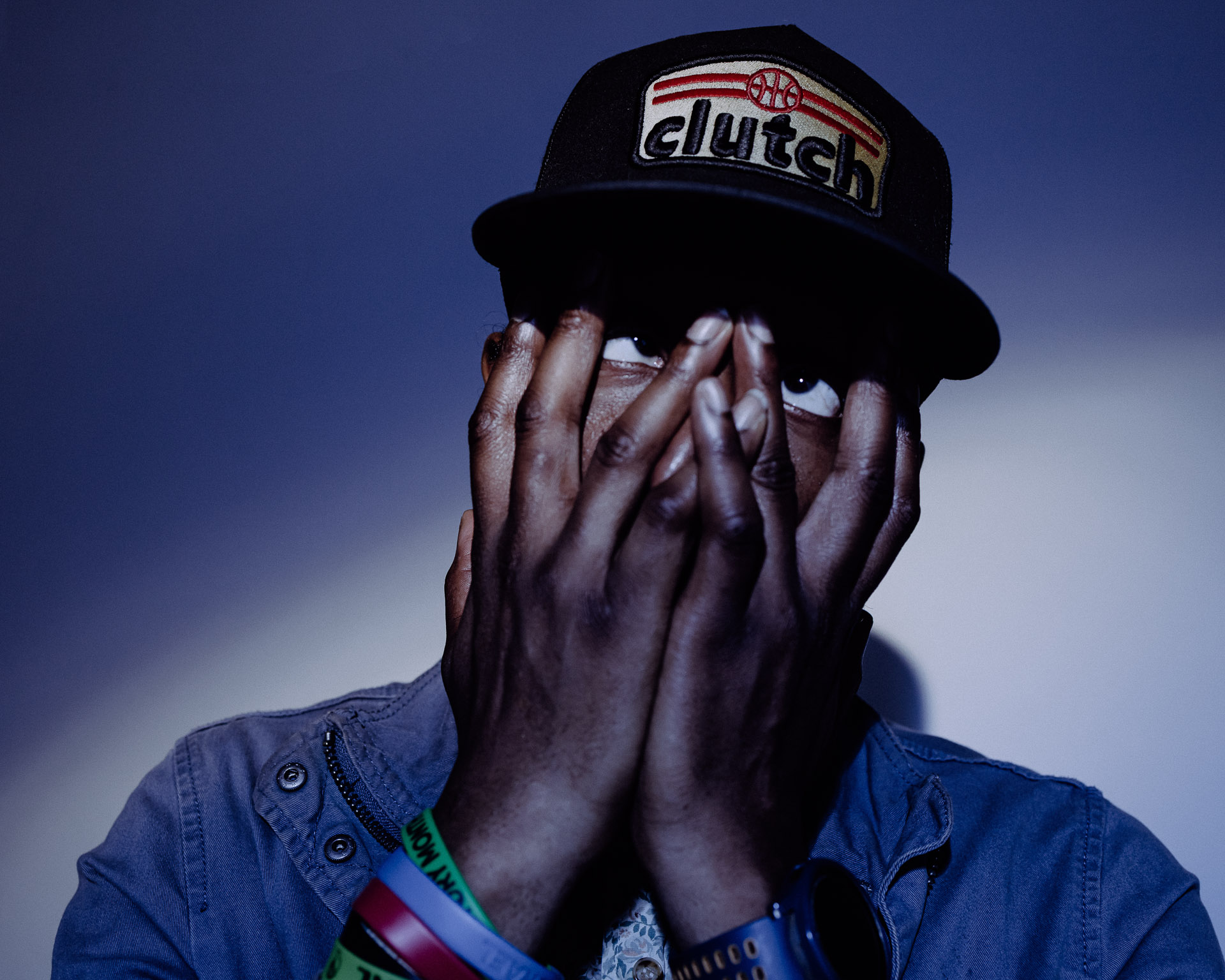
I recently had the pleasure of meeting Low Desert to talk about their art. The following are edited excerpts of our conversation.
Francisco: Thankyou guys so much for coming and talking to me and letting me interview you about your music. I think it's really exciting to have artists like yourselves who make very indie music and are on your own path of discovery. It’s really cool to have you, so thank you for coming on.
Jared: Thank you. It’s good to be here.
Jake: Thank you.
Francisco: Introduce Low Desert for me.
Jared: My name is Jared, and I am the drummer for Low Desert.
Jake: And I’m Jake, the guitarist.
Jared: We are a two-piece instrumental band at the moment, looking to expand and hopefully add some additional layers like bass, vocals, maybe some synth, or another guitar. We aren't quite sure yet, but like you said, it’s a path of discovery. We started by trying to identify a core sound that we could sustain as a two-piece and then add from there.
Francisco: How did you find yourselves working together? I think when you work by yourself, it’s easy to know the direction you want the music or the art to go in. But when you work with someone else, you almost have to reconcile certain ideas or find how certain ideas fit with each other. How do you guys do that?
In my experience, there's musicians that you just kind of jive with, and Jake and I definitely jive well together.
Jared: That’s a good question. We go way back. I actually answered a Craigslist ad back in 2011, maybe. Jake and another friend of ours had an ad out looking for a drummer for a post-rock band. You know—Explosions in the Sky, long-form instrumental songs—which I was a fan of, but they listed a few other influences that caught my eye: Mars Volta, Deftones, stuff like that.
We started that band, which was called Neptune’s Explode. We were a three-piece, added a bass player, and after a while, we transitioned back to a three-piece band. We played as We Scare Coyotes, which moved a little bit away from the post-rock stuff. Looking back, I think that set a good foundation for Low Desert because we were looking at shorter-form songs and more intricacies between the guitar and the drums.
I ended up moving out of state for ten years and moved back in 2023. When I moved back, I messaged Jake and he said, "Let's do music again." In my experience, there's musicians that you just kind of jive with, and Jake and I definitely jive well together. So, we decided to do it.
We talked about what we wanted to do. We talked a lot about trip hop because we both like grooves and beats with some electronic elements on top—though neither of us are electronic instrument experts. Math rock was another one, which is a little bit of what we were before; technical playing off one another and that sound of clean guitars. Midwest emo was another influence we drew from, and then shoegaze. We both really like shoegaze—that big wall of sound.
We decided those were the cornerstones of the band. How do we explore this? Since we were coming back together and doing it again, we wanted to take a slightly different approach and try to identify a sound, a core, and a direction before adding on. Before, it was the sum of its parts; we had multiple band members and we just kind of did what came out organically. Now, I think we want to have a tighter control on the sound and direction before adding the other layers.
I almost feel like we should change our name to "Compensation Desert" because we’re compensating for being a two-piece despite knowing what we want to sound like eventually and not having that bass player.
Francisco: What would you say is the sound that you've come up with?
Jared: I hate this question! No, I don’t hate it, it's just a hard question to answer. It’s hard talking about music genres without sounding pretentious, in my opinion. We are definitely indie rock. I would say some kind of experimental instrumental indie rock. We don’t play with time signatures enough to be math rock. We don’t just do textured walls to be shoegaze. We have no electronic instruments, so we’re not even trip hop. But we are trying to blend those genres. So, experimental instrumental indie rock would be the best I could put down.
Francisco: What instruments do you guys play? Have you played them your whole lives, or do you pick up instruments as you get older and have more experience?
Jake: It’s always been guitar for me. I dabbled in what we would call synths or some sort of form-factor, handheld mobile type of keyboard or synth, but I’ve always gravitated back to the guitar. I use those for inspiration, but I find that I don’t create anything that makes sense when I’m trying to mess with those keyboards and synths. I always just fall back on guitar.
Francisco: Do you ever start with guitar and then follow with synth? Or do you just go straight into guitar?
Jake: I attempt to start with synth and keyboards, but it’s not as efficient as just creating something on the spot with the guitar. It’s more comfortable that way. And since we don’t have a bass player, I have to compensate by playing some additional weird-looking root notes or chords to keep that style you would hear if you heard our sound.
Jared: He’s really good at using effect pedals to alter the sound, but also, he plays out of a bass amp with a bass head and that synth pedal he has to fill out the low end. I almost feel like we should change our name to "Compensation Desert" because we’re compensating for being a two-piece despite knowing what we want to sound like eventually and not having that bass player.
Jake: People have actually pointed that out—that we have a big sound. People want to check out the board, and I always tell them that the pedal that is always on is the "bass".
Equipment comes and goes. Effect pedals come and go. I’ve learned that less is more, and that’s what’s on my board now. I’m actually more creative when I have less to work with.
Jared: I play drums. Pretty much only drums. I did percussion in high school and I’ve dabbled in synth. I have two synthesizers and some effect pedals and try to mess with them as a side hobby, but we haven’t incorporated them into the sound yet. We both also picked up Roland SP-404s for sampling, just thinking about the direction we want to go in, which would incorporate electronic elements. Neither of us have brought them into the fold in terms of songwriting and performance yet.
Jake: Equipment comes and goes. Effect pedals come and go. I’ve learned that less is more, and that’s what’s on my board now. I’m actually more creative when I have less to work with.
Jared: GAS is a real problem: Gear Acquisition Syndrome. You just want to buy everything. You watch a YouTube video on something new and you’re like, "I like that, I should buy it." But if you’re not going to use it, there’s no point.
Jared: He’s intent on having a small, compact pedalboard with as much utility as possible. That lends itself to versatility instead of buying a bunch of stuff off the shelf for just one song. I’m actually shocked that you let people look at your pedalboard now because when you started, you weren’t so keen on it.
Jake: That’s true. I always thought that I had a secret weapon in my pedalboards. “I don’t know if I want anyone else to take this,” but I’ve gotten past that. Check out my board. It’s a point of pride now.
We spent probably the first nine months jamming together not having anything substantial. It was just ideas, ideas, ideas. We’d get together, record stuff, and then never touch it again. We did that a lot.
Francisco: It’s fascinating. I find the same thing with photography; it’s very tempting to just buy a lot of gear and you see the possibilities with it, but some items just really resonate with your style. You guys have such a full sound. Is that because you’ve gotten better with those specific instruments that help you define your sound?
Jared: I think so. We spent probably the first nine months of jamming together not having anything substantial. It was just ideas, ideas, ideas. We’d get together, record stuff, and then never touch it again. We did that a lot. I think trying to find that identity—both the direction for the future but also what we have now—we kind of reached a point where we decided that we just wanted to play shows.
We realized we need songs to play shows; we need a setlist. That helped because once we started writing songs and keeping them, that would trigger the next one, and the next one. For a while, we felt like we had enough songs on the shelf to go play some shows and change up the setlist. Recently, we started writing new stuff in a different direction.
As a photographer, I’m sure you know this: creativity comes and goes, or a random spark will appear out of nowhere. I think we found that. Like I said, we don’t envision ourselves being a two-piece band forever, but if we are going to play shows as a two-piece with no vocals, what do we do to keep things interesting? Part of that is Jake using his gear to fill out the low end on bass, and technical instrumentation to keep things interesting. He does a lot of guitar tapping. For me, it’s busy drumming to match him. Being a technical two-piece band is almost like filling a gap until we can add more and flesh out the sound.
To me, it all boils down to musical chemistry, which we’ve always had. That as a core makes good bands.
Jake: The creative process at first was patchy, for sure. You never knew what you were going to get, and I have really short-term memory—I mean, really bad. If we don’t get anything going from beginning to end in terms of creating the song, I don’t remember it the next time we practice again. Even if we record audio or video of it, the next time I hear it, it just sounds different. Even if it was good at the time we were creating it, I don’t like it anymore. Recently, I think we found some sort of spark in terms of creating quicker songs or tracks, so hopefully that keeps the momentum going.
Jared: At first, too, we were just trying to "boil the ocean." We had all these ideas for all these ingredients and we threw them all in and it wasn’t working. We had to take a step back, simplify, and then go. That’s how we found our first stride. It’s been a learning process, but it’s been good. To me, it all boils down to musical chemistry, which we’ve always had. That as a core makes good bands. As long as that exists, we can get around it until we figure out exactly how to execute the real future vision of the band.
I look around at a lot of bands on the scene, and you have "paid for hire" musicians: "I need a bass player, here are your parts, please play them." We want somebody who is a really good musician to introduce themselves into the creative process. I want them to own the song just as much as we do—an artist.
Francisco: Where do you see Low Desert in the future?
Jared: I would say we don’t have grand aspirations of "making it" as musicians. If it happens, I think we’d be very happy that it did, but we’re not doing this for the career; we’re doing it because we love making and playing music. Playing shows is the best thing ever—maybe second only to actually listening to music.
Even though we’ve been doing this for a long time, this is really the first time we’ve had full control of the band, so we’re trying to figure out what to do with that. When we started, we were in our early twenties; we’re older now. I look around at a lot of bands on the scene, and you have "paid for hire" musicians: "I need a bass player, here are your parts, please play them." We want somebody who is a really good musician to introduce themselves into the creative process. I want them to own the song just as much as we do—an artist.
How much creative input they have, we don't know what that looks like. I think it will depend on who we find and who we add on. We have ideas for different layers: bass, vocals, something electronic, and potentially another guitar. Those are four potential positions, but I don’t think we want to be a six-piece band. What happens if you find one person that’s good at one thing or someone else who can do two or three at the same time? I think we want to organically create it based on who we find.
The Houston music scene is awesome. It’s so much fun. I'm constantly impressed when we go to shows. There’s always somebody new with a great sound.
Jake: We’ve never really thought about what the next step is right now. It’s really just taking it practice by practice, show by show. Have there been conversations? Sure. But I think there was never really the "next big thing" like we're going to make it in the music industry. We’re content doing some local stuff for now and maybe a local tour.
Jared: The Houston music scene is awesome. It’s so much fun. I'm constantly impressed when we go to shows. There’s always somebody new with a great sound.
Jake: We’re always happy to go out there and support other acts and bands. We’ve definitely made a few friends out there.
Francisco: I’m super excited to see where Low Desert goes. Thank you guys for taking the time to come and answer these questions.
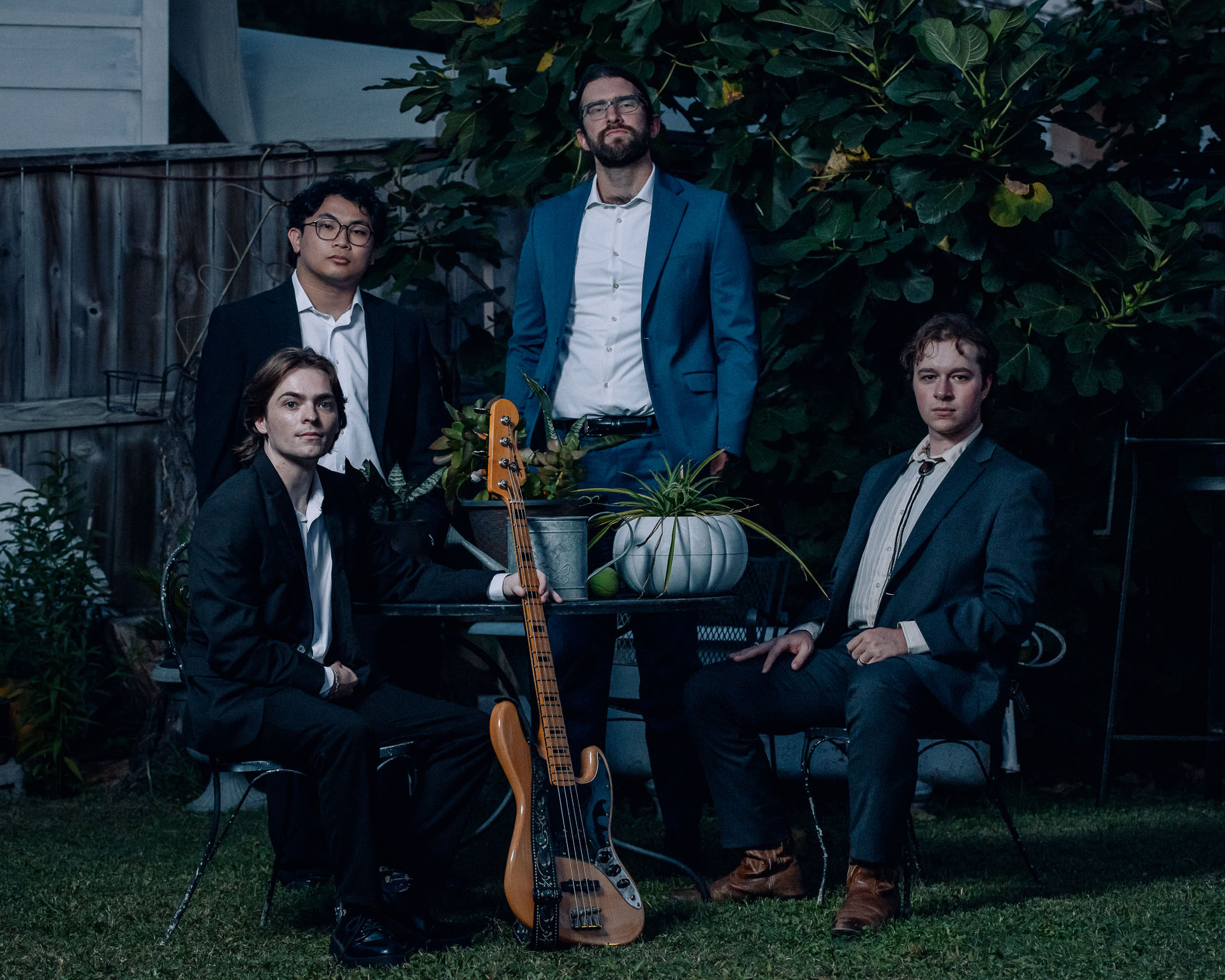
I recently had the pleasure of meeting the four members of April Company. We talked about how they learned to successfully make music with lifelong friends and how they brave the beautiful but brutally hot Houston music scene.
Equal parts cinematic storyteller and unfiltered hometown talent, Houston MC Nick B opens up about balancing raw vulnerability, stage-shaking energy, and unshakeable authenticity.